Hair Care Manufacturing: 7 Essential Products for Your Brand

Hair Care Manufacturing: 7 Essential Products to Build Your Own Brand

The beauty industry continues to expand beyond skincare and makeup. Today, consumers are also paying more attention to their hair and scalp as part of their daily personal care routine. Therefore, hair care manufacturing offers an exciting opportunity for businesses that want to build or expand their own beauty brand.

Through professional manufacturing services, brands can develop various hair care products without building their own production facilities. Shampoo, conditioner, hair serum, hair tonic, hair mask, hair mist, and hair oil are just some of the products that can become part of a complete collection.

However, choosing the right products is an important first step. Each category serves different consumer needs and can support a different brand positioning.

In this guide, we explore seven essential hair care manufacturing ideas that can help you create a distinctive and competitive product line.

What Is Hair Care Manufacturing?

Hair care manufacturing is the process of developing and producing hair care products through a professional cosmetic manufacturer. This approach allows businesses to create products under their own brand without operating an independent manufacturing facility.

Depending on the project, the development process may include product concept planning, formulation, ingredient selection, fragrance, packaging, production, and regulatory preparation.

As a result, business owners can focus more on branding, marketing, distribution, and sales.

Furthermore, working with an experienced manufacturer can make the product development process more structured. Brands can communicate their target market, desired product characteristics, packaging direction, and other requirements before moving forward with production.

Therefore, choosing the right manufacturing partner is an important part of building a sustainable hair care business.

Why Build a Hair Care Product Line?

Hair care is a broad beauty category because consumers have different hair types, scalp conditions, routines, and styling habits.

Consequently, brands are not limited to selling shampoo alone.

A complete product line can include cleansing, conditioning, intensive treatment, scalp care, styling, and finishing products. This variety gives businesses an opportunity to create products for different stages of a consumer’s routine.

Moreover, a coordinated product collection can strengthen brand identity.

For example, a brand can start with shampoo and conditioner before introducing hair serum, hair tonic, or hair mask. Each product can share a similar visual identity while offering a different function.

Through hair care manufacturing, businesses can gradually develop a product portfolio based on their target market and long-term strategy.

1. Shampoo

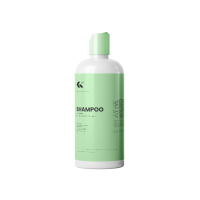
Shampoo is one of the most fundamental products in the hair care market. Because consumers use it regularly, it can become an excellent starting point for a new hair care brand.

However, creating a successful shampoo requires more than choosing a pleasant fragrance.

Brands should first understand their target consumers and the product concept they want to introduce.

For example, a shampoo line may be designed around daily cleansing, scalp care, dry hair, oily hair, or other specific consumer needs.

Once the concept is clear, other elements can be developed around it.

Developing a Shampoo Concept

Before starting the hair care manufacturing process, determine what makes your shampoo different.

Consider the target consumer, desired texture, fragrance, packaging, product positioning, and overall experience.

Packaging also plays an important role.

A premium brand may prefer a minimalist bottle with an elegant appearance. Meanwhile, a younger brand may choose brighter visuals and more expressive packaging.

Therefore, formulation and visual identity should support the same overall concept.

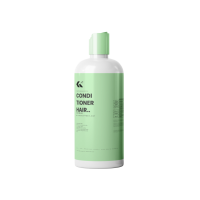
2. Conditioner

Conditioner is another essential product that can complement shampoo.

Instead of launching shampoo as a standalone product, brands can develop shampoo and conditioner as a coordinated collection. This approach provides consumers with a more complete hair care routine.

Furthermore, matching products can strengthen visual consistency.

The shampoo and conditioner may share similar packaging, colors, fragrances, and communication while maintaining their individual functions.

As a result, consumers can easily recognize both products as part of the same collection.

Shampoo and Conditioner as a Product Set

Developing a product set can be an effective hair care manufacturing strategy.

For example, a new brand may initially launch two products: shampoo for cleansing and conditioner as the complementary step.

Both products can follow the same concept while providing different experiences.

Moreover, product sets can make the brand’s purpose easier to understand.

Instead of presenting unrelated products, the business introduces a structured routine that consumers can follow.

However, brands should still clearly communicate how each product is used and what role it has within the routine.

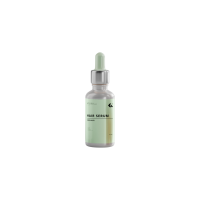
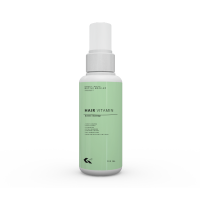
3. Hair Serum

Hair serum can help expand a product collection beyond basic shampoo and conditioner.

This category can be developed with different textures, packaging styles, fragrances, and product concepts. Therefore, it provides considerable flexibility for businesses looking to create a distinctive hair care range.

Hair serum can also become an important part of a premium product collection.

For example, a brand may position shampoo and conditioner as daily essentials while presenting serum as an additional step in the routine.

Because of this versatility, hair serum is an interesting category to consider when planning hair care manufacturing.

Creating a Distinctive Hair Serum

When developing hair serum, consider the complete user experience.

The formula is important, but so are the texture, fragrance, packaging, dispensing system, and visual presentation.

For instance, a premium beauty brand may prefer clean and minimalist packaging.

In contrast, a brand targeting younger consumers might choose modern colors and a more expressive visual identity.

Most importantly, the product should remain consistent with the overall positioning of the brand.

This consistency helps consumers recognize the serum as part of a larger product family.

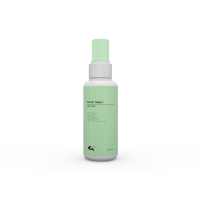
4. Hair Tonic

Hair tonic provides another opportunity for brands to expand into scalp-focused products.

Unlike products that are primarily applied to the lengths of the hair, hair tonic is generally associated with application to the scalp.

Therefore, this category can introduce another dimension to a hair care collection.

Hair tonic can also be combined with shampoo and other products to create a more structured routine.

As a result, consumers have several complementary products within the same brand.

Understanding the Target Market for Hair Tonic

Before developing hair tonic through hair care manufacturing, identify your target consumers.

Consider their routines, preferences, concerns, purchasing behavior, and expectations.

Afterward, use this information to develop a clear product concept.

This approach is generally more effective than creating a product simply because a particular category is trending.

A product designed around a defined audience can also make branding and marketing communication more focused.

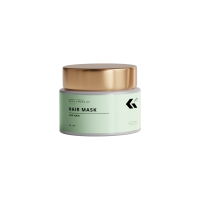
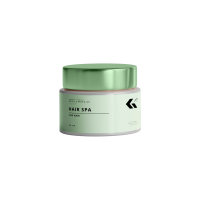
5. Hair Mask

Hair masks can add an intensive treatment category to a hair care collection.

Unlike shampoo, which is commonly associated with cleansing, a hair mask can be positioned as an additional step in a more complete beauty routine.

Therefore, it can help a brand expand beyond basic daily products.

Hair masks also provide room for creative development. Businesses can explore different textures, fragrances, packaging formats, and visual concepts.

Building a Complete Hair Care Routine

Hair masks can be combined with shampoo and conditioner to create a coordinated collection.

For example, a brand could develop three related products:

  1. Shampoo for the cleansing step.
  2. Conditioner for the conditioning step.
  3. Hair mask as an additional treatment.

These products can use similar visual elements to create a recognizable collection.

Furthermore, consistent packaging can strengthen brand identity when the products are displayed together.

Through hair care manufacturing, each item can be developed with its own role while remaining part of a larger product concept.

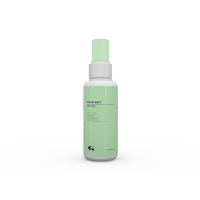
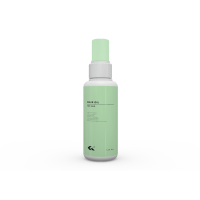
6. Hair Mist

Hair mist offers a different experience compared with traditional cleansing and conditioning products.

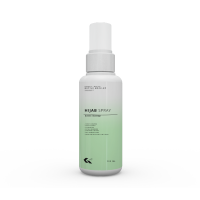
This category can combine hair care with fragrance and convenience. Consequently, it can become an interesting supporting product within a broader collection.

Brands can also experiment with different fragrance directions.

Floral, fruity, fresh, sweet, or woody characteristics can create very different product identities.

For that reason, hair mist offers significant creative flexibility in hair care manufacturing.

Using Fragrance to Build Product Identity

Fragrance can become an important part of the consumer experience.

For example, a fresh fragrance may support a clean and modern brand identity. Meanwhile, floral or sweet notes may create an entirely different impression.

However, fragrance selection should remain consistent with the brand’s target market and positioning.

The packaging should also support this direction.

When fragrance, packaging, and product communication work together, consumers receive a more cohesive brand experience.

7. Hair Oil

Hair oil is another product category worth considering when expanding a hair care collection.

It can complement shampoo, conditioner, hair mask, and serum while creating another step within the consumer’s routine.

Furthermore, hair oil provides opportunities for different product concepts, packaging formats, textures, and fragrances.

For businesses interested in building a more comprehensive product portfolio, hair oil can therefore become a valuable addition to their hair care manufacturing strategy.

Developing a Hair Oil Concept

Before choosing a formula, determine the intended positioning of the product.

Will the hair oil become an everyday product? Will it complement an existing collection? Or will it become one of the brand’s hero products?

Answering these questions can help establish a clearer development direction.

Next, consider packaging, texture, fragrance, target consumer, and overall visual identity.

Finally, discuss these requirements with the manufacturer to determine the most suitable development approach.

How to Choose the Right Hair Care Products for Your Brand

Having access to many product categories does not mean a business needs to launch everything at once.

Instead, product development should follow a clear strategy.

Several factors are worth considering:

  1. Target Market
    Understand who will buy the products and what type of hair care routine they follow.
  2. Brand Positioning
    Determine whether the brand will be positioned as premium, accessible, modern, minimalist, natural-inspired, or another concept.
  3. Hero Product
    Choose one or several products that can represent the brand during its initial launch.
  4. Product Collection
    Consider how individual products can work together within a complete routine.
  5. Packaging
    Select packaging that supports both functionality and visual identity.
  6. Marketing Strategy
    Make sure every product has a clear message that consumers can easily understand.

By considering these factors, hair care manufacturing becomes part of a broader business strategy rather than simply a production process.

The Importance of Product Formulation

Formulation is a central part of cosmetic product development.

Different hair care categories require different formulation approaches. Shampoo, for example, has different characteristics from hair oil, hair mist, or hair serum.

Therefore, brands should begin with a clear product brief.

The brief may include the intended product category, target market, desired texture, fragrance direction, packaging concept, and overall positioning.

Furthermore, communication between the brand and the product development team is essential.

Clear communication helps the manufacturer understand the intended product direction before development progresses to later stages.

Consequently, the hair care manufacturing process can become more structured and aligned with the brand concept.

Cosmetic Regulations Are an Important Consideration

Product development involves more than formulation, branding, and packaging.

Cosmetic businesses also need to consider the regulations that apply to products sold in their target market.

For products distributed in Indonesia, businesses should understand the applicable requirements from Indonesia’s regulatory authorities.

Official information regarding cosmetic regulations and product registration can be found through the Indonesian Food and Drug Authority (BPOM).

Therefore, regulatory planning should be considered during product development rather than only after production decisions have been finalized.

Packaging Helps Define Your Hair Care Brand

Packaging is not simply a container.

It is also one of the first elements consumers notice when discovering a beauty product.

Therefore, packaging should be considered early in the hair care manufacturing process.

Brands should evaluate bottle shape, container size, dispensing system, label design, typography, colors, and usability.

Additionally, products within the same collection should have a recognizable visual relationship.

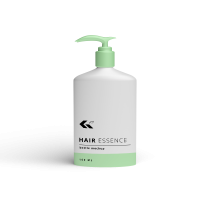
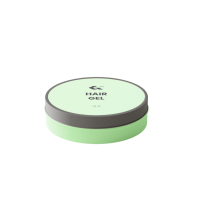
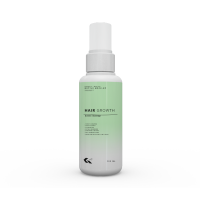
For example, shampoo, conditioner, hair serum, and hair mask can use a consistent design system while maintaining enough differences to help consumers identify each product.

This approach can create a stronger visual identity across the entire product range.

Building a Complete Hair Care Collection

One advantage of the hair care category is the opportunity to create a complete routine.

However, new brands do not necessarily need to launch a large collection immediately.

Instead, they can start with a smaller selection.

For example:

  1. Shampoo as the core cleansing product.
  2. Conditioner as the complementary product.
  3. Hair serum as an additional treatment.

After establishing these products, the brand can consider expanding into hair masks, hair tonic, hair mist, or hair oil.

This gradual strategy can make hair care manufacturing easier to manage.

Moreover, businesses can evaluate customer responses to their initial products before investing in a larger collection.

Common Mistakes When Developing a Hair Care Brand

One common mistake is trying to launch too many products at the same time.

A large collection may look impressive. However, every product requires development, packaging, marketing, inventory management, and distribution.

Therefore, starting with several carefully selected products can provide a clearer direction.

Another mistake is developing products without defining a specific target consumer.

If the target market is too broad, product positioning and marketing communication can become unclear.

Additionally, brands should not treat packaging as an afterthought.

A strong formula still needs a recognizable visual identity to compete effectively in the beauty market.

Why Work With a Professional Hair Care Manufacturer?

Building an independent cosmetic manufacturing facility requires significant resources, equipment, expertise, quality systems, and operational management.

Therefore, working with a professional manufacturer can provide an alternative route for businesses that want to create their own products.

Through hair care manufacturing, businesses can focus on product concepts and brand development while collaborating with a manufacturing partner for the production process.

However, selecting a manufacturing partner should still involve careful consideration.

Businesses should evaluate manufacturing capabilities, available product categories, quality standards, communication, regulatory support, and the ability to develop products that align with their brand direction.

Hair Care Manufacturing with PT Kosmetika Natural Herbalindo

PT Kosmetika Natural Herbalindo provides product development and manufacturing options for businesses interested in creating their own cosmetic and personal care brands.

For the hair care category, brands can explore different products and develop a collection according to their business concept and target market.

Furthermore, businesses can discuss product categories, formulation concepts, packaging direction, and other development requirements with the team.

You can explore available options on the Hair Care page of PT Kosmetika Natural Herbalindo.

If you already have a product concept or would like to discuss your brand requirements, visit the Contact page to get in touch with the team.

Start Building Your Hair Care Brand

Successful product development begins with a clear concept.

Before starting hair care manufacturing, define your target consumers, product categories, brand positioning, visual identity, and long-term product strategy.

Then, determine which products should be launched first.

Shampoo and conditioner can provide a strong foundation. Meanwhile, hair serum, hair tonic, hair mask, hair mist, and hair oil can gradually expand the collection.

Most importantly, every product should have a clear purpose within the brand.

A focused collection can make it easier for consumers to understand the brand while providing room for future product development.

Conclusion

Hair care manufacturing provides businesses with many possibilities for developing their own beauty brands.

Shampoo can become a fundamental cleansing product, while conditioner creates a natural complementary step. Hair serum and hair tonic can expand the routine further.

Meanwhile, hair masks, hair mist, and hair oil provide additional opportunities to create a broader and more distinctive product collection.

However, successful product development requires more than simply choosing a list of products.

Target market, formulation, packaging, regulatory requirements, brand positioning, and marketing strategy should work together.

Therefore, brands should approach hair care manufacturing as part of a complete business strategy.

With clear planning and the right manufacturing partner, businesses can gradually develop a hair care collection that reflects their identity and meets the needs of their target market.

Frequently Asked Questions About Hair Care Manufacturing

What is hair care manufacturing?

Hair care manufacturing is the process of developing and producing hair care products through a professional manufacturer. Businesses can use this service to create products under their own brand without operating their own production facility.

What types of hair care products can a brand develop?

Depending on the manufacturer’s capabilities, brands may develop shampoo, conditioner, hair serum, hair tonic, hair masks, hair mist, hair oil, scalp care products, styling products, and other hair care categories.

Can I create multiple hair care products for one brand?

Yes. Brands can develop several products as part of one collection. However, the number of products should be based on the business strategy, target market, budget, and product development plan.

Should a new hair care brand launch many products?

Not necessarily. A new brand can start with a smaller collection, such as shampoo, conditioner, and hair serum. Additional products can then be introduced as the business develops.

Why is packaging important for hair care products?

Packaging protects and contains the product while also communicating the brand’s visual identity. Consistent packaging can make multiple products easier for consumers to recognize as part of the same collection.

What should I prepare before contacting a hair care manufacturer?

Start by preparing information about your target market, desired product categories, brand positioning, product concept, packaging preferences, and business objectives. These details can make the initial consultation more productive.

Where can I discuss hair care manufacturing with PT Kosmetika Natural Herbalindo?

You can contact PT Kosmetika Natural Herbalindo through the official Contact page to discuss your product concept and manufacturing requirements.

Share your thoughts

Hubungi Kami

Silakan pilih kontak WhatsApp yang ingin Anda hubungi.

Isi Data Anda

Lengkapi data berikut sebelum mengirim pesan.

WhatsApp tujuan: -